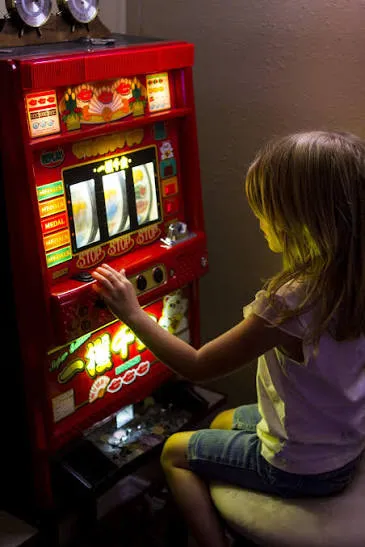
Red, Gold, and the Fine Print: What Lucky Branding Actually Sells You
Photo: User:LouisAragon (uploader), CC BY-SA 2.5, via Wikimedia Commons
Scroll through enough US-facing casino sites and you'll notice a pattern. The number 8 shows up everywhere. Sometimes it's 168, sometimes 888, sometimes a logo so gold it could outfit a wedding banquet in Flushing. Red envelopes, koi, coins, dragons — a whole visual vocabulary borrowed from Chinese numerology, deployed at an audience that is, statistically speaking, mostly named Kyle and lives in Ohio.
Is this cynical? Sure. Is it new? Not even slightly. But the interesting question isn't whether lucky branding is manipulative — it's what it actually promises, and what it quietly doesn't.
Luck Is the Product, Not the Mechanic
Let's be clear about something upfront: no slot game on a licensed app is luckier because its lobby is gold. Every regulated game runs on an RNG, and that random number generator has never once checked whether the site's name contains an auspicious digit. The 8s are decoration. The math is the math.
But here's the thing — that's not automatically a scam. It's theater, and gamblers have always wanted theater. Vegas figured this out decades ago: Egyptian pyramids, pirate ships, a fake Venice. Nobody booked a room at the Luxor because they believed the sphinx improved their odds. Lucky branding is the same transaction. You're buying atmosphere, a feeling, a little ritual of optimism in a hobby that is, at its core, mathematically indifferent to your hopes.
The trouble starts when the theater bleeds into the paperwork.
Where the Charm Ends and the Churn Begins
A red envelope on the homepage says "prosperity." A deposit bonus's terms and conditions says something more like "40x wagering, slot-weighted contributions only, maximum cashout $100, expires in 7 days." Only one of those statements is legally binding.
This is the gap that lucky branding can obscure. When a site wraps itself in the language of fortune and blessing, there's a subtle implication that the generosity extends past the graphics. It usually doesn't. The bonus is a marketing instrument with a precise economic purpose: get your deposit in, slow your withdrawal down, keep you spinning until the requirement is met or the clock runs out.
That doesn't make bonuses evil — a well-structured one can genuinely extend your play. It makes them contracts. And you should read contracts, no matter how festive the envelope they arrived in.
The Three Questions That Cut Through the Gold
Before any deposit bonus earns your money, ask:
1. What's the playthrough, and on what? A "200% bonus" with 50x wagering on a high-volatility slot is not a gift; it's a leash. Lower multipliers (20x-35x) on games that contribute fully are where the real value hides.
2. What's the clock? Bonus money that expires in a week forces play on the site's schedule, not yours. If you're a casual player, a short fuse is the term most likely to burn you.
3. What's the ceiling? Maximum cashout caps — especially on no-deposit offers — mean the "lucky win" you're picturing has a hard ceiling printed in gray text. Know it before you spin.
Three questions. Thirty seconds. That's the entire due diligence required to separate a fair shake from a shiny trap.
Enjoying the Theater With Your Eyes Open
Look — I'm not here to lecture anyone out of enjoying a dragon. There's something genuinely fun about a site that commits to the bit, that understands gambling has always been as much about ritual as probability. Knocking on wood, picking your numbers, choosing the game with the lucky 8 in the title — these are harmless superstitions, and honestly, they're part of the cultural DNA of gambling everywhere from Macau to Reno.
The line I'd draw is this: let superstition choose your game, never your deposit. If the koi-themed slot speaks to you, play it — with money you've budgeted, at stakes you've chosen. But when a golden banner promises a fortune-boosting bonus, translate it out of the decorative language and into plain terms before you commit a dollar.
The 8s can't hurt you. The fine print can. A gambler who knows the difference gets to keep both the charm and the bankroll — and honestly, that's the luckiest combination on the board.